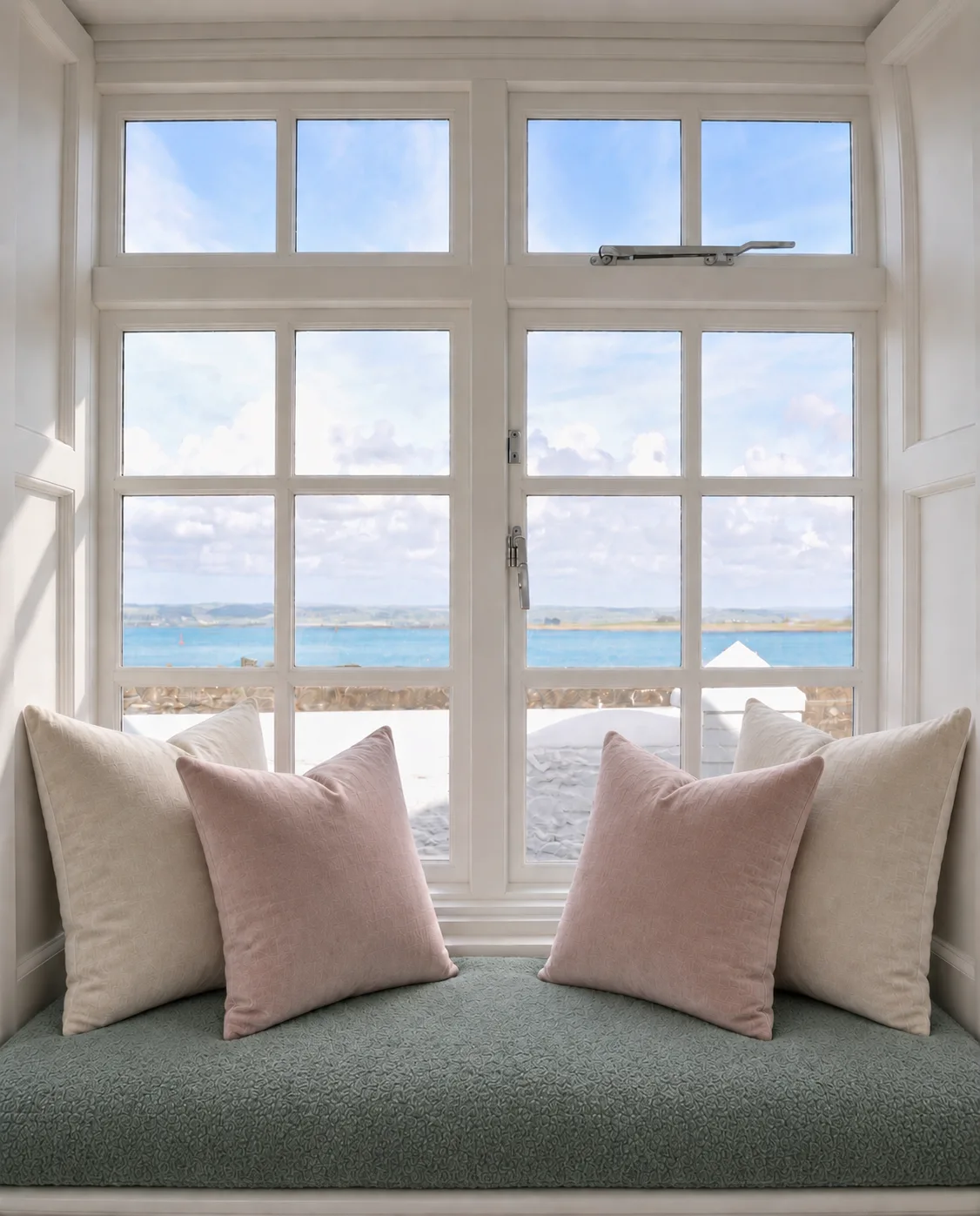
A holiday home has to do something a permanent home never does. It has to feel like an escape from the moment the key turns. That is true whether it is a commercial let earning its keep or a private retreat kept for family and friends, and it is why designing one is a different job from designing a house somebody lives in all year.
Cassandra Chessum Interior Design (CCID) works on both. The briefs are not the same. A commercial let has to work hard for its owner, which means good reviews, repeat bookings and a rate the property can justify. A private holiday home has to work hard for a family, which means it still feels like a holiday on the twentieth visit. What the two share is that both are judged on arrival, and both take more punishment than an ordinary house.
Three projects shaped most of the thinking below.
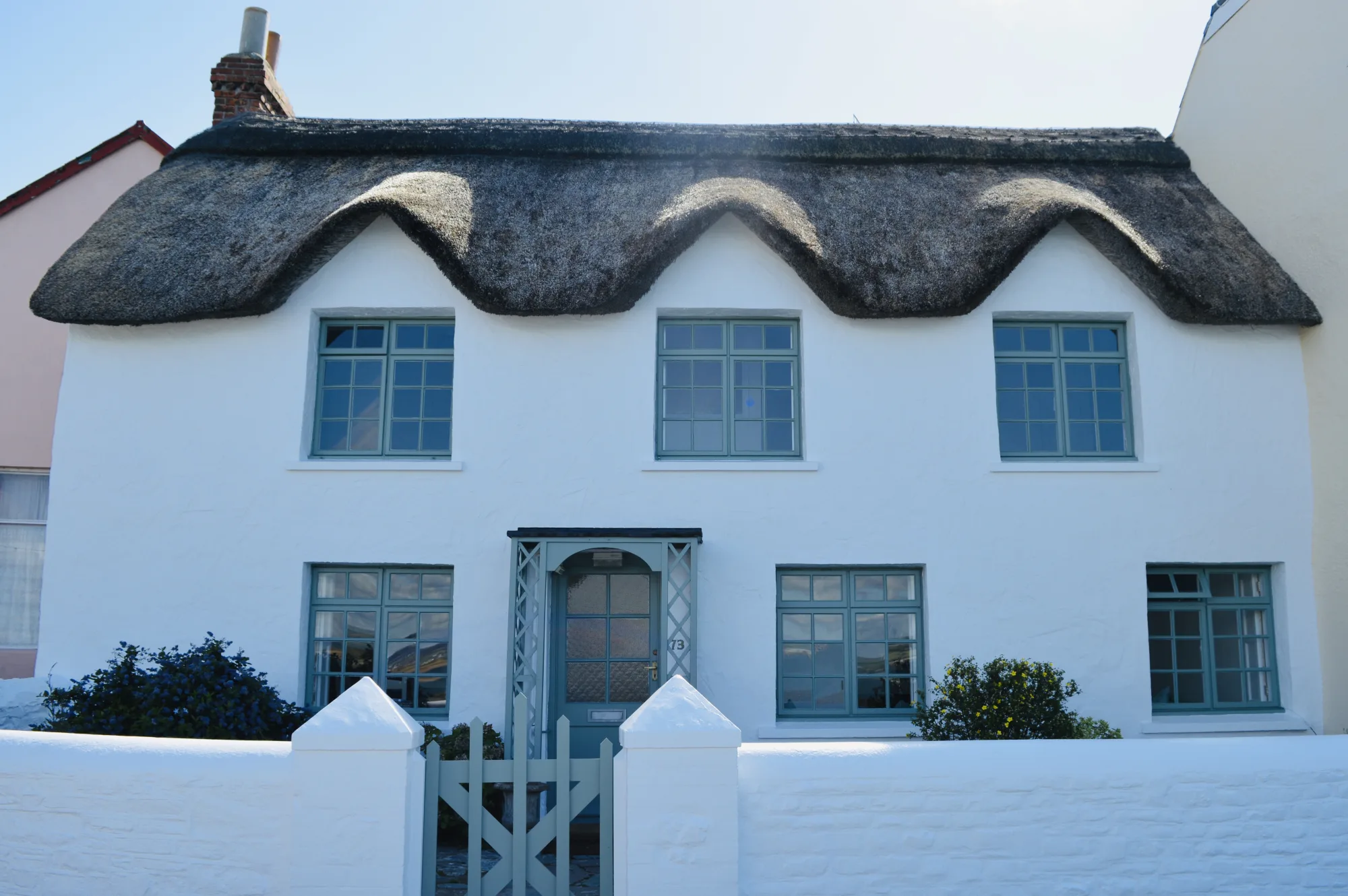
The first is Cassandra’s own: an 18th century Grade II listed thatched cottage in Appledore, which she bought and renovated herself. It began as a holiday home and became her main residence. It also prompted the move from London to Devon, and the career change into interior design.
The second is a client project in Croyde, a thatched cottage in another Devon coastal village, where heritage-led design met traditional building methods.
The third sits at the other end of the architectural spectrum: a contemporary new build by a local architect, with floor to ceiling glazing in almost every room and sweeping views across the Devon countryside and the River Torridge.
Between them they cover most of what a holiday home can be, from centuries old to architect drawn, and you can see more of them on our projects page. Here are our five tips for designing one.
1. Character: Work with the bones of the building, not against them
Holiday homes are rarely blank canvases, and that is the point of them. The character might come from centuries of history or from striking contemporary architecture, but it is the reason someone picked that property over a hotel.
Thatched roofs, exposed beams, cob walls, reclaimed stone and low doorways all tell a story. A well designed new build has its own character too, usually in the architecture, the glazing and how the building sits in its setting.
The temptation with a commercial let is to strip everything back to a neutral, hotel-style finish. Resist it. The properties that command the best rates and the warmest reviews are the ones that lean into what they are.
Top tips
-
Keep and celebrate original features such as beams, fireplaces and stonework, rather than boxing them in or painting over them.
-
Use a calm colour palette so the architecture takes centre stage instead of competing with it.
-
Add contemporary comfort. Underfloor heating, good mattresses and proper lighting let heritage charm and modern living work together.
-
Conserve period features, and where the building is modern, build the design around its architectural focal points: a double-height vaulted ceiling, or floor to ceiling glazing.
-
For a commercial let, the property’s character is your marketing story. Someone booking a period cottage wants to feel the history on arrival. Someone booking a new build wants the architecture and the view.
All three of our projects were designed this way. Both thatched cottages are Grade II listed and full of period features, so the interiors took their lead from the building: conserving the original fireplaces, restoring the thick cob walls. In the new build above the Torridge, the architecture was the character. Glazing in almost every room was the defining feature, so we designed the interior to frame it and let the Devon countryside become part of the decor.
2. Durability: Choose hardwearing materials that still feel indulgent
Holiday homes work harder than most houses. A commercial let might welcome dozens of different guests a year, with sandy feet, wet swimwear and the occasional spilt glass of wine. A private one is often used less and has to sit empty for weeks at a time without suffering for it. Both need materials chosen with that in mind.
Top tips
-
Specify hardwearing, easy-to-clean flooring such as engineered wood or natural stone, particularly in entrances, kitchens and bathrooms.
-
Use performance fabrics on sofas and upholstery. They resist staining and fading without feeling like contract furniture.
-
Invest in a proper boot room, doormats that actually cope, and washable rugs near the entrance. Coastal properties need to cope with sand and salt water, country ones with mud.
-
Put darker or patterned tiles and worktops where the traffic is, and keep the softer, lighter tones for the rooms that can take them.
-
Source natural, sustainably produced materials where you can. They age better.
-
For a commercial let, choose furniture and soft furnishings that can be repaired or replaced without much cost or fuss.
At the Appledore cottage the original flooring had been taken out before Cassandra bought it. We put in reclaimed wooden floorboards upstairs and natural slate downstairs, which is practical and also what would have been there originally. That mattered more than finding something merely hardwearing.
3. Sense of Place: Let the location tell the story
The best holiday homes feel rooted in where they are. Nobody books four walls. They book a stretch of the Cornish coast, or a corner of the Cotswolds, and the interior is one of the strongest ways to deliver it.
Top tips
-
Source furniture, art and accessories locally where you can. It supports small producers and it gives the property a character you cannot buy from a catalogue.
-
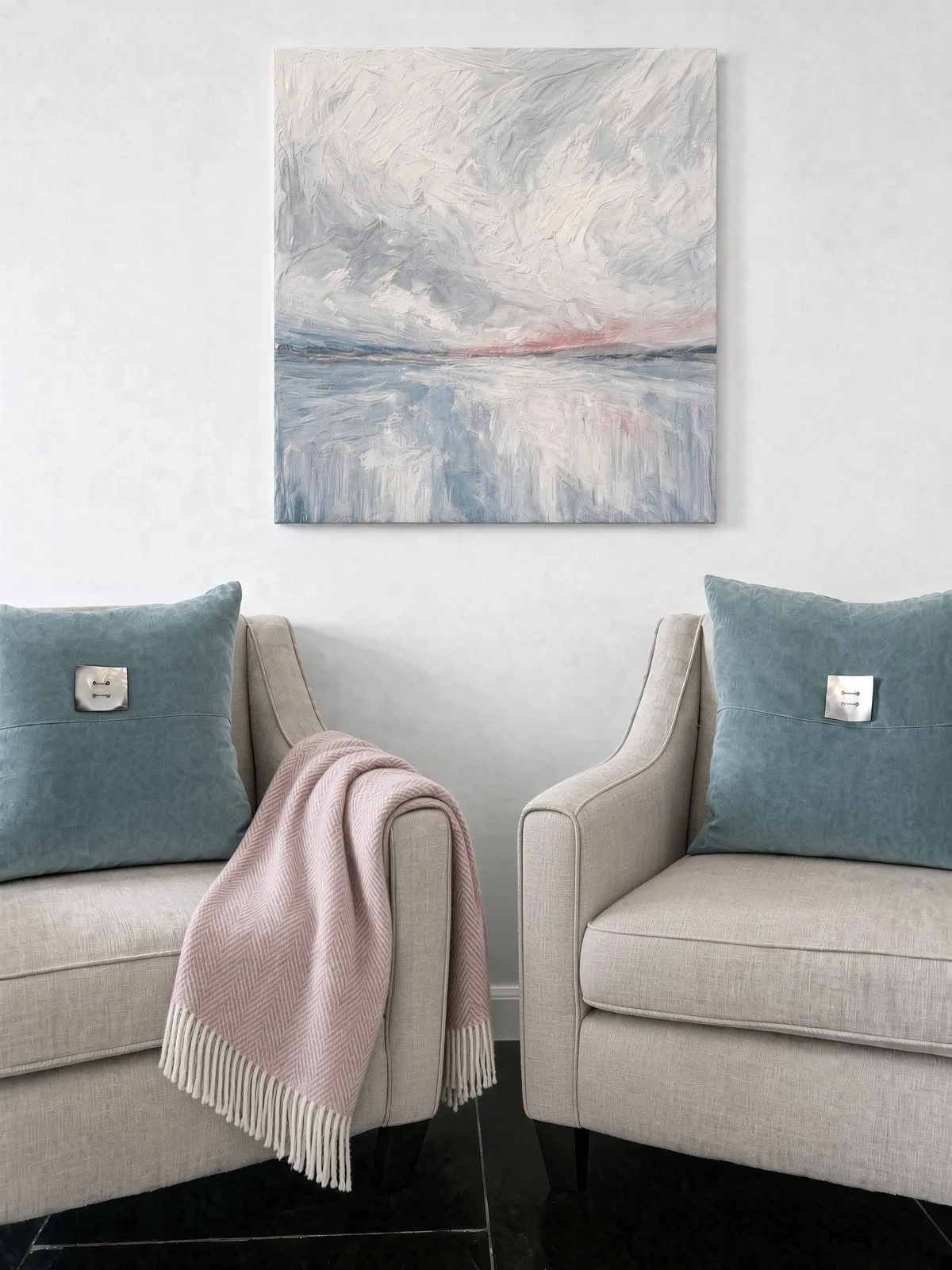
Take the colour palette from the landscape. Coastal properties tend to suit soft blues, sandy neutrals and driftwood tones. Countryside retreats often want deeper greens and earthy hues.
-
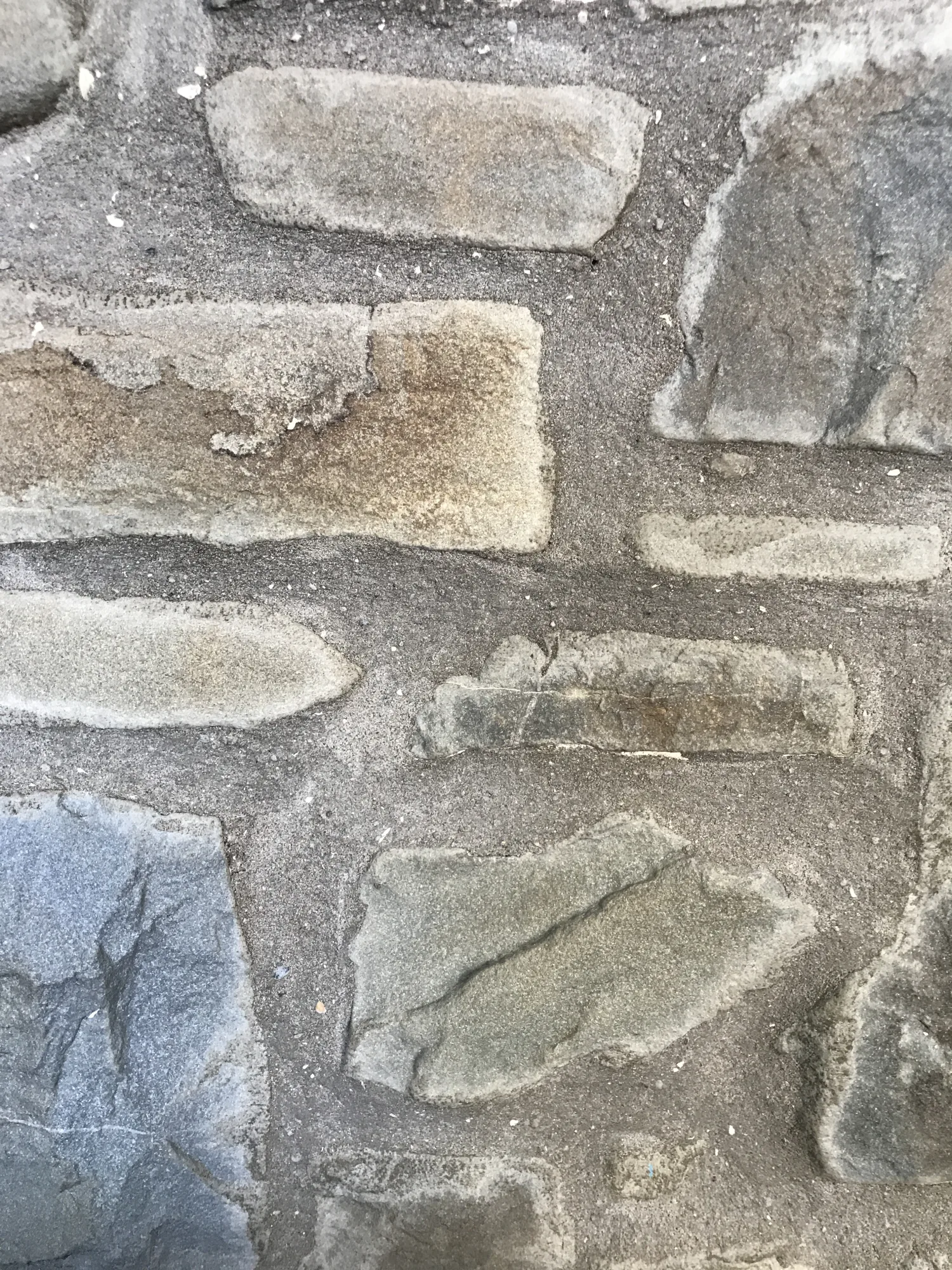
Use local materials such as reclaimed wood, Devon slate or Cornish stone.
-
Curate the books, maps, guides and artwork so they are about where the guest actually is.
-
For a commercial let, a strong sense of place is what makes a listing stand out among a hundred others.
In the new build above the Torridge we used natural materials throughout and drew the palette straight from the landscape outside. The result felt as connected to the Devon countryside as either thatched cottage, despite being a completely different kind of building.
4. Flexibility: Design for how the space will really be used
Holiday homes usually hold more people than the same house would in ordinary use, host a wider range of activities, and have to cope with wet weather, wetsuits and walking boots.
Top tips
-
Give the living and dining spaces room to be sociable. Holidays are mostly about everyone being in the same place.
-
Put storage for holiday clutter near the entrance: coats, boots, buckets and spades.
-
Choose furniture that adapts. Extending dining tables, sofa beds and stackable outdoor seating all let a property take a bigger group.
-
Design bedrooms with flexibility in mind. Bunk rooms, zip and link beds and family rooms widen who the property suits.
-
For a private holiday home, build in the rituals. A window seat for the first coffee of the day, or a table that takes a long lunch.
-
For a commercial let, think about changeover day: surfaces that clean quickly, and clearly labelled storage for the essentials.
The Croyde cottage shows what this looks like in practice. Every bedroom has its own en-suite. The family bedroom has a zip and link double that separates into two singles, plus a single with a trundle, so one room sleeps four. Downstairs seats twelve for dinner.
5. Wow Factor: Create moments guests and families remember
Every holiday home needs the detail or the view that makes someone reach for their camera. For a commercial let it lifts the listing above the competition and supports a higher rate. For a private one it is the thing that makes arriving feel like an occasion.
Top tips
-
Find the property’s hero feature, whether that is a sea view or an inglenook fireplace, and design the room around showing it off.
-
Put the budget into one or two statement pieces per room rather than spreading it thinly. An eye-catching light fitting, or an original piece of art.
-
Style each space with photography in mind. Good imagery sells a commercial let and it is how a family remembers the house. This is exactly what property styling and staging is for.
-
Add the touches that make people feel looked after: a well-stocked bookshelf, a welcome tray, fresh flowers.
-
Do not forget the outside. A styled garden, terrace or outdoor dining area is often where the best of the holiday actually happens.
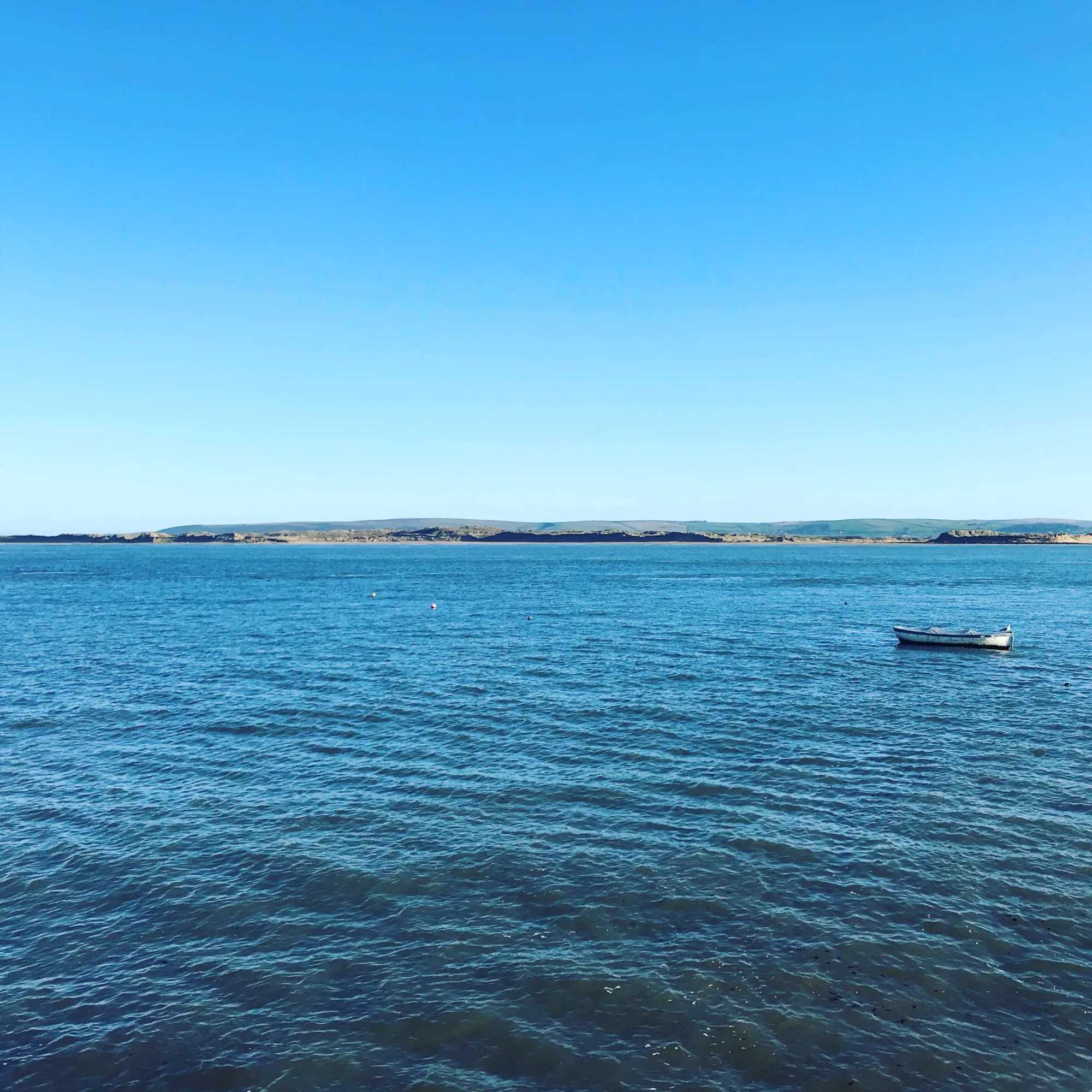
All three properties are lucky with their views. The Appledore cottage sits in a fishing village where you can watch seals and surfers from the sitting room window. The Croyde cottage is in the middle of the village, looking over the stream that runs past it. In the Torridge new build the glazing and the countryside beyond it were the obvious hero in nearly every room. In all three, the furniture layouts, the sightlines and the window treatments were planned around that view from the very beginning.
Summary
Good holiday home design, whether the property is a commercial let or a family retreat, comes down to five things: celebrating the building’s character, choosing materials that are hardwearing and still beautiful, capturing a genuine sense of place, planning for how the space will really be used, and creating the moments people remember.
The three projects here did all five in very different ways, across buildings centuries apart in age. As with everything at CCID, sustainability sits underneath the approach, from natural and reclaimed materials to working with local artisans and suppliers. A holiday home should look wonderful and it should also last.
If you are planning a commercial holiday let, or thinking about your own, we would love to help. You can see the full range of what we do on our interior design services page, or get in touch at hello@c-c-i-d.com to arrange a design consultation.
Happy holidays, and happy designing
Cassandra x
Cassandra Chessum Interior Design (CCID) is a full-service interior design practice with studios in Devon and London. We specialise in residential and commercial interior design, from concept development and spatial planning to project management and styling. Visit www.c-c-i-d.com to find out more.